Yellow Mustard Algae: Identification and Treatment Guide
By Derek Bowen, founder of Pool Rental Near Me and author of 7 books on pool hosting · Updated May 2, 2026
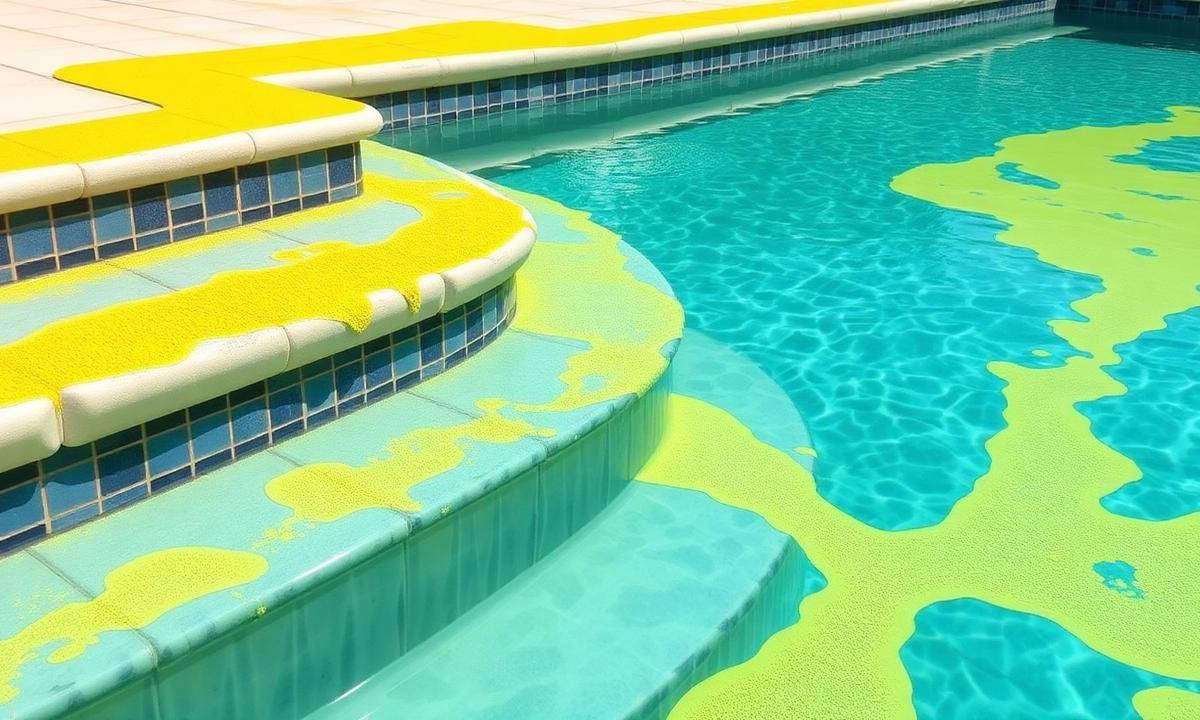
If you notice a yellowish, pollen-like dust gathering on the shady walls or floor of your pool, you aren't just dealing with debris. You likely have a mustard algae infestation. Unlike common green algae, mustard algae also known as yellow algae is chlorine-resistant, persiste...
If you notice a yellowish, pollen-like dust gathering on the shady walls or floor of your pool, you aren't just dealing with debris. You likely have a mustard algae infestation. Unlike common green algae, mustard algae (also known as yellow algae) is chlorine-resistant, persistent, and can survive outside of the water on pool toys, bathing suits, and maintenance equipment.
For hosts on PoolRentalNearMe.com, a mustard algae outbreak can lead to immediate booking cancellations and poor reviews. Because this species is a "hitchhiker" that spreads through spores, it requires a specific, aggressive treatment protocol to ensure it doesn't return the moment your chlorine levels dip.
What Causes Mustard Algae?
Mustard algae is a form of green algae that has evolved to survive in high-stress environments. While traditional algae blooms are often the result of poor pool chemistry basics, mustard algae can enter even a perfectly balanced pool via wind, rain, or contaminated equipment.
Common causes include:
- Contaminated Gear: Spores frequently enter the water via lake water on life vests, floats, or swimwear that hasn't been washed.
- Poor Circulation: Dead spots in the pool—areas behind ladders or in deep corners where water doesn't move—allow spores to settle and take root.
- High Phosphate Levels: While algae eats many things, high phosphates act as a "superfood" that allows mustard algae to grow faster than your chlorine can kill it.
- Low Sanitizer Levels: If your free chlorine drops below 2.0 ppm during a hot spell or a high-occupancy weekend, the algae seizes the opportunity to bloom.
How to Diagnose Mustard Algae
The biggest challenge with yellow algae is that it is often mistaken for sand, pollen, or dirt. If you try to brush it away and it poofs into a cloud but returns to the exact same spot 24 hours later, you are dealing with an organic growth, not mineral debris.
The Location Check
Mustard algae is somewhat photophobic, meaning it prefers the shade. You will rarely find it in the center of the pool under direct sunlight. Instead, look for yellowish patches on the north-facing walls, inside the light niches, or behind the pool steps.
The "Slippery" Test
Rub your fingers along the affected area. Unlike sand or dirt, which feels gritty, mustard algae feels slimy or "musty" to the touch. If you suspect an outbreak, it is essential to begin treatment immediately before it compromises your weekly pool maintenance schedule and forces a pool closure.
Step-by-Step Fix: Eradicating Mustard Algae
Because mustard algae is chlorine-resistant, simply doubling your chlorine dose won't work. You need to follow a "shock, scrub, and sterilize" approach.
1. Sterilize Everything
This is the step most hosts skip, and it’s why the algae returns. Anything that has touched the pool water must be treated. Soak pool toys, hoses, and maintenance brushes in a bucket of high-chlorine water. Wash all guest-use towels and swimwear in hot water with bleach or a heavy-duty detergent. If you have a removable ladder, take it out and scrub the underside.
2. Balance the Water
Before shocking, ensure your pH is between 7.2 and 7.4. Chlorine is much less effective when pH is high. Check your Cyanuric Acid (CYA) levels; if your CYA is over 60 ppm, you may need to partial-drain and refill to ensure your shock treatment isn't "locked" by the stabilizer. For a refresher on these levels, see our guide on balancing and maintaining perfect water quality.
3. Brush Thoroughly
Break the "armor" of the algae. Use a stiff pool brush to vigorously scrub the yellow patches. You need to suspend the algae in the water so the shock can reach the individual cells.
4. Triple Shock the Pool
For Mustard Algae, a standard shock dose isn't enough. You typically need to reach a "Mustard Shock" level, which is approximately 30 ppm of free chlorine. Use calcium hypochlorite (cal-hypo) or liquid chlorine. Perform this at night to prevent the sun from burning off the unstabilized chlorine.
5. Run the Filter 24/7
Keep the pump running continuously until the water is crystal clear and you have passed an Overnight Chlorine Loss Test (OCLT). Clean or backwash your filter daily during this process to remove the dead algae spores trapped in the media.
Long-Term Prevention for Rental Pools
As a host, your pool’s uptime is your income. Preventing mustard algae is significantly cheaper than treating it.
- Maintain Elevated Chlorine: While 1-3 ppm is standard, maintaining a consistent 3-5 ppm free chlorine level provides a better "buffer" against resistant strains.
- Weekly Brushing: Even if the pool looks clean, brush the walls once a week during your opening pool for summer routine to prevent Biofilm from forming.
- Algaecide Treatments: Consider a copper-based or "polyquat" algaecide as a preventative measure. Look specifically for products labeled "Mustard Algae Killer."
- Phosphate Management: Use a phosphate remover monthly to keep food sources low, making it harder for algae to survive.
When to Call a Professional
If you have followed the triple-shock protocol twice and the yellow dust continues to reappear every 72 hours, the spores may be living inside your filtration system or deep within the plumbing. For hosts, a persistent bloom is a liability risk. If you are struggling to clear the water, contact a licensed pool technician to perform a professional-grade "SLAM" (Shock, Level, and Maintain) or a chlorine wash.
If you have questions about how a pool closure affects your current bookings, please reach out to our host support at 866-420-3702 or email support@poolrentalnearme.com.
Frequently Asked Questions
Can I swim in a pool with mustard algae?
While mustard algae itself isn't harmful to humans, its presence indicates that your sanitizer levels are inadequate. Low chlorine allows other harmful bacteria, such as E. coli, to flourish. It is best to close the pool to guests until the algae is gone and chlorine levels have returned to safe ranges (1-4 ppm) for pool safety essentials.
Why does the algae keep coming back in the same spot?
Algae spores are microscopic and sticky. If you don't scrub the area or if there is a "dead spot" in your circulation, the spores remain lodged in the porous plaster. Adding a return-jet eyeball to aim water flow toward that specific spot can help.
Is yellow algae the same as pollen?
No. Pollen usually floats on the surface or settles briefly before being caught by the skimmer. Mustard algae clings to the walls and floor in the shaded parts of the pool and will reform in the same pattern even after being vacuumed.
Do I need to replace my filter media after an outbreak?
Strictly speaking, no, but it is highly recommended. If you have a DE filter, do a full breakdown and cleaning. If you have a sand filter, use a filter cleaner. For cartridge filters, if the cartridge is more than a year old, replacing it is the safest way to ensure no spores remain.
Final Thoughts
Mustard algae is a frustrating foe for any pool owner, but for peer-to-peer hosts, it is a manageable hurdle with the right tools. By staying proactive with your chemistry and ensuring all guest equipment is sanitized, you can maintain a sparkling, five-star environment year-round. For more resources on managing your listing or preparing your pool for the off-season, check out our guide on winterizing rental pool or visit our host tools page for more expert tips. If you need immediate assistance with a guest booking related to maintenance, visit our help-center.
Related articles
- /p/pool-chemistry-basics
- /p/weekly-pool-maintenance
- /p/balancing-and-maintaining-perfect-water-quality
- /p/pool-safety-essentials
- /p/opening-pool-for-summer
- /p/winterizing-rental-pool
- /help-center
- /host-tools
- /pool-rental-near-me-the-airbnb-of-pools
Frequently asked questions
- What is Pool Rental Near Me?
- Pool Rental Near Me is a peer-to-peer marketplace where homeowners rent out their backyard pools by the hour. Guests get a private pool, hosts earn money, and every booking requires a signed guest waiver. Hosts carry their own insurance.
- How much does a private pool rental cost?
- Most pool rentals range from $40 to $150 per hour depending on the pool, amenities, location, and time of day. You see the full price before you book.
- How much can I earn renting out my pool?
- That depends on your hourly rate, amenities, and how many hours you host — there is no typical figure we can stand behind. Pool Rental Near Me charges 0% host fees, so you keep 100% of your listed price.