
Pool safety rules every host should post before guests arrive
By Derek Bowen, founder of Pool Rental Near Me and author of 7 books on pool hosting · Updated May 10, 2026
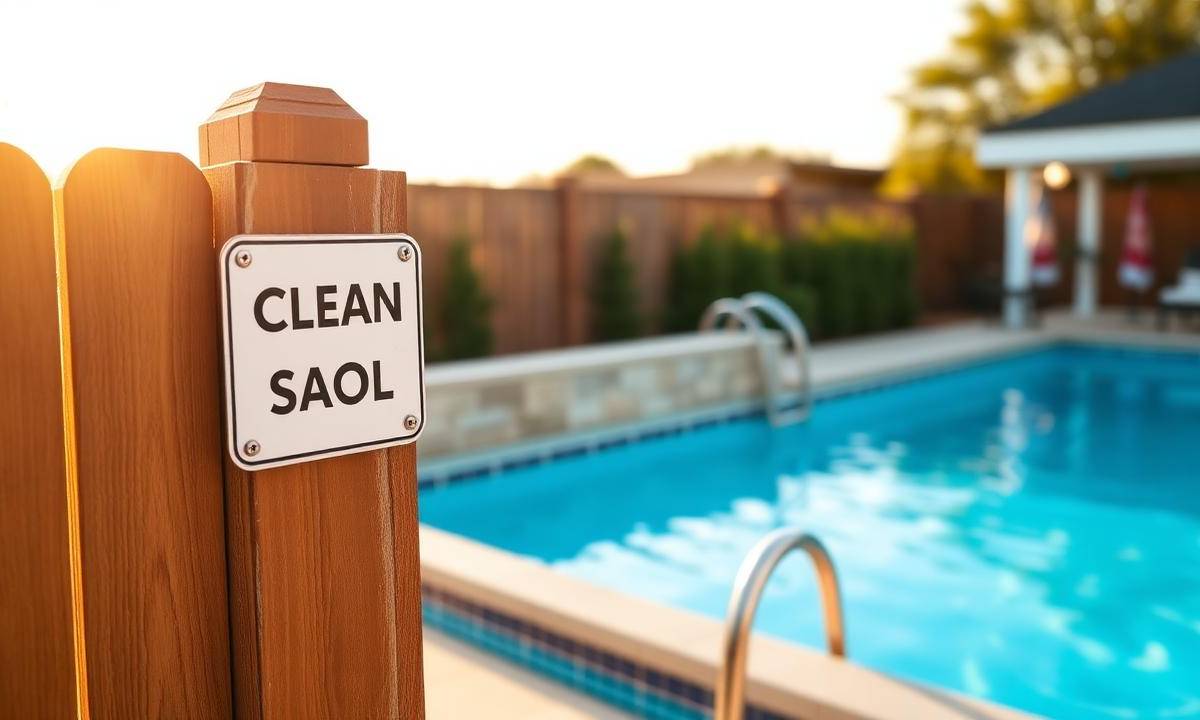
A checklist of posted signs, equipment, and house rules that protect guests, satisfy your insurance, and earn 5-star reviews.
{ "seo_title": "Pool Safety Rules for Hosts | Pool Rental Near Me", "seo_description": "Essential pool safety rules every host must establish. Protect your guests and your property with our comprehensive safety guide and checklist.", "excerpt": "Minimize risk and maximize fun. Learn the essential pool safety rules every host should post before guests arrive, including supervision requirements and physical safety measures.", "content_markdown": "# Pool Safety Rules Every Host Should Post Before Guests Arrive\n\nHosting a pool party or renting out your backyard pool is a rewarding way to share your space and generate income. However, with the enjoyment of a private pool comes the significant responsibility of ensuring guest safety. Before the first guest dips their toe in the water, you must establish a clear, enforceable set of safety rules.\n\nClear communication is the cornerstone of risk management. By posting physical signs and sending digital copies of your rules ahead of time, you create a culture of safety that protects your guests, your property, and your peace of mind.\n\n## 1. Establish General Conduct and Behavioral Standards\n\nThe most common pool injuries are often the most preventable. Establishing behavioral standards is the first step in mitigating risk. Your rule list should begin with these non-negotiable mandates:\n\n* No Running on the Pool Deck: Wet surfaces are inherently slippery. Insist that all guests walk, never run, when near the water to prevent falls and head injuries.\n* No Diving in Shallow Areas: Unless your pool has a designated deep end (minimum 9 feet) and a professional diving board, it is safest to prohibit diving entirely. Head and spinal injuries from shallow diving are catastrophic and permanent.\n* No Glass Containers: Broken glass is nearly impossible to see in pool water and often necessitates draining the entire pool to ensure guest safety. Require plastic or tempered acrylic drinkware.\n* No Roughhousing: Prohibit games like "chicken," pushing others into the water, or dunking. These activities can quickly escalate into accidental drowning scenarios.\n\n## 2. Requirement for Adult Supervision\n\nDrowning is silent and can happen in seconds. As a host, you must define the expectations for supervision clearly. Even if you are not physically present, your rules must dictate the standard of care required from your guests.\n\n### The "Designated Water Watcher"\nAdvise your guests to appoint a "Water Watcher"—a sober adult whose sole responsibility is to monitor the pool without distractions like phones, books, or conversation. If the group is large, they should rotate this duty every 20-30 minutes to maintain alertness.\n\n### Minimum Ratios\nStandard safety practice suggests a ratio of at least one adult for every three children under the age of five. If guests are bringing non-swimmers, require them to wear US Coast Guard-approved life jackets, noting that foam wings or inflatable rings are toys, not life-saving devices.\n\n## 3. Alcohol and Substance Policies\n\nAlcohol and pool water are a dangerous combination. Alcohol impairs judgment, reduces physical coordination, and slows reaction times. As a host, you have the right to set strict limits on consumption.\n\n* Specify a Limit: Consider a "two-drink maximum" or a complete ban on hard liquor. \n* Prohibit Intoxicated Swimming: State clearly that anyone showing signs of impairment will be asked to leave the water immediately.\n* Medication Awareness: Remind guests that certain prescription medications can cause drowsiness or heat sensitivity, making pool use dangerous.\n\n## 4. Equipment and Technical Safety Rules\n\nYour pool’s mechanical and structural elements require their own set of rules to prevent malfunction or entrapment.\n\n* Stay Away from Drains: Modern pools should have SVRS (Safety Vacuum Release Systems), but it is still vital to instruct guests to stay away from suction outlets and drain covers to prevent hair or limb entrapment.\n* Proper Toy Usage: Large inflatable rafts should be used with caution, as they can obstruct the view of the pool bottom, making it difficult to see a swimmer in distress.\n* No Tampering with Equipment: Explicitly forbid guests from touching pool heaters, pumps, or chemical feeders. Only the host or a professional should manage pool chemistry and mechanics.\n\n## 5. Emergency Preparedness and Signage\n\nRules are only effective if they are visible. You should post a weather-resistant sign in a high-traffic area, such as the entrance gate or the pool house wall. Additionally, provide an emergency kit that is easily accessible.\n\nYour Emergency Station should include:\n1. A Reaching Pole or Life Ring: Used to pull a struggling swimmer to safety without the rescuer entering the water.\n2. A First Aid Kit: For minor cuts, scrapes, or stings.\n3. A Clear Address Display: In an emergency, guests may forget your address. Post your physical address and the nearest cross-street on a sign next to the pool so they can accurately inform 911 dispatchers.\n4. A Map to the Nearest Hospital: While digital maps are standard, a physical printout in a waterproof sleeve is a reliable backup.\n\n## FAQ: Hosting Safely\n\nQ: Do I need to be present while guests are using the pool?\nA: While not always legally required, it is highly recommended. If you are not present, ensure you have a signed liability waiver and that the guests have acknowledged your safety rules in writing.\n\nQ: What is the most important piece of safety equipment I should own?\nA: A four-sided fence with a self-closing, self-latching gate is the single most effective way to prevent unauthorized access and accidental drowning.\n\nQ: Can I charge a cleaning fee if glass is broken in the pool?\nA: Yes. Your rental agreement should specify that the cost of draining, cleaning, and refilling the pool due to glass breakage is the responsibility of the guest.\n\nQ: How do I handle guests who ignore the rules?\nA: You should include a "Right to Terminate" clause in your agreement. If guests violate safety rules—especially regarding supervision or diving—you should have the right to end the session immediately without a refund.\n\n### Rent Your Pool with Confidence\n\nSafety is the foundation of a great hosting experience. By setting clear expectations and providing a secure environment, you ensure your guests have a memorable time while protecting your investment. Ready to share your oasis? List your space on Pool Rental Near Me and connect with swimmers in your community today." today!" }
Frequently asked questions
- What is Pool Rental Near Me?
- Pool Rental Near Me is a peer-to-peer marketplace where homeowners rent out their backyard pools by the hour. Guests get a private pool, hosts earn money, and every booking requires a signed guest waiver. Hosts carry their own insurance.
- How much does a private pool rental cost?
- Most pool rentals range from $40 to $150 per hour depending on the pool, amenities, location, and time of day. You see the full price before you book.
- How much can I earn renting out my pool?
- That depends on your hourly rate, amenities, and how many hours you host — there is no typical figure we can stand behind. Pool Rental Near Me charges 0% host fees, so you keep 100% of your listed price.