Low Chlorine: Why Your Pool Won't Hold a Reading
By Derek Bowen, founder of Pool Rental Near Me and author of 7 books on pool hosting · Updated May 2, 2026
Maintaining a healthy pool is the top priority for any host on PoolRentalNearMe.comhttps://poolrentalnearme.com/pool-rental-near-me-the-airbnb-of-pools. There is nothing more frustrating than testing your water an hour before a booking only to find a 0 ppm parts per million ch...
Maintaining a healthy pool is the top priority for any host on PoolRentalNearMe.com. There is nothing more frustrating than testing your water an hour before a booking only to find a 0 ppm (parts per million) chlorine reading, despite having added tablets or liquid shock just the night before.
When your pool won't hold a chlorine reading, it means the demand for sanitizer is higher than the supply you are providing. This "chlorine demand" can be caused by environmental factors, heavy bather loads from back-to-back rentals, or underlying chemical imbalances that prevent your chlorine from working effectively. Understanding the "why" is the first step toward getting your water guest-ready.
Common Reasons Your Chlorine Levels Are Dropping
Chlorine is a volatile chemical; it is designed to sacrifice itself to kill organic matter. However, several specific factors can cause it to disappear faster than you can replenish it.
High Bather Load
For hosts, this is the most common culprit. Every person who enters the pool introduces sweat, oils, sunscreen, and organic waste. In a high-traffic rental environment, the chlorine works overtime to neutralize these contaminants. If you aren't preemptively boosting levels before a large group arrival, the chlorine will be depleted before the booking is even halfway through.
High Levels of Cyanuric Acid (CYA)
Cyanuric Acid is often called "sunscreen for chlorine." It protects chlorine from being destroyed by UV rays. However, if your CYA levels are too high (typically over 80–100 ppm), it causes "chlorine lock." The chlorine is technically in the water, but it is bound so tightly to the CYA that it cannot kill bacteria or show up accurately on a standard test kit.
Low Cyanuric Acid (UV Degradation)
On the flip side, if you have 0 ppm of CYA, the sun’s ultraviolet rays can destroy up to 90% of your pool's chlorine in just two hours. This is common after a heavy rain or a fresh water fill when opening your pool for summer.
Combined Chlorine (Chloramines)
If you smell a strong "pool smell," that isn't too much chlorine—it is actually a sign of too little. That smell comes from chloramines, which are "spent" chlorine molecules that have latched onto contaminants but haven't finished the job. These inactive molecules still show up on "Total Chlorine" tests but provide zero sanitizing power.
How to Diagnose the Problem
Before you dump more chemicals into the water, you need to identify the specific roadblock. A basic test strip may show a "0" reading, but it won't tell you why.
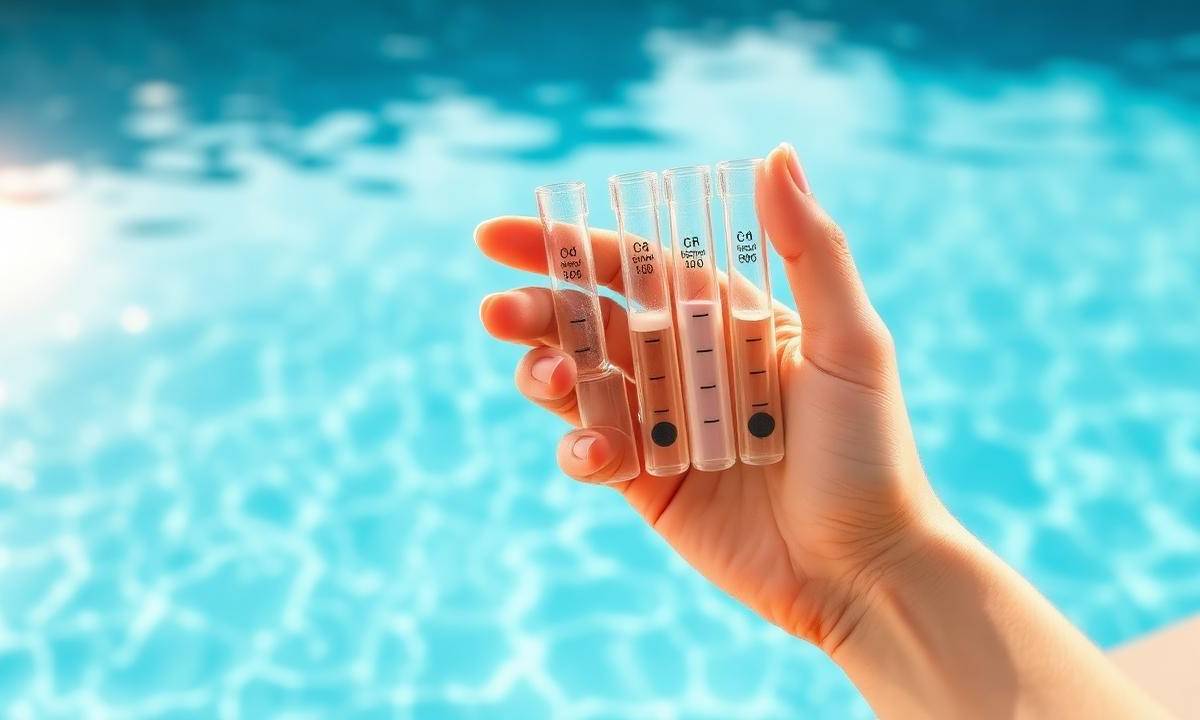
- Test for Free Chlorine (FC) vs. Total Chlorine (TC): Use a high-quality drop test kit (like a DPD-FAS kit). If your TC is much higher than your FC, you have a chloramine problem and need to shock the pool.
- Check Your CYA Levels: Ideally, your CYA should be between 30 and 50 ppm. If it is 0, your chlorine is evaporating. If it is over 100, you likely need to drain and refill a portion of your pool.
- Check Phosphates: Phosphates are "algae food." If your phosphate levels are high (above 500 ppb), algae will consume chlorine at an accelerated rate as it tries to keep up with the microscopic growth.
- Check Your pH: Chlorine is highly dependent on pH. If your pH is above 8.0, your chlorine is only about 20% effective. Refer to our guide on balancing and maintaining perfect water quality to get your pH in the 7.4–7.6 range.
Step-by-Step Fix for Chlorine Demand
If you have verified that your CYA and pH are in range but you still can't hold a reading, you are likely dealing with high chlorine demand or a burgeoning algae bloom.
Step 1: Clean the Pool
Remove all physical debris. Leaves, twigs, and dead bugs consume chlorine. Brush the walls and floor to break up any biofilm or "invisible" algae that may be hiding in the plaster.
Step 2: Test Your Fill Water
Sometimes the problem starts at the source. If you are topping off your pool frequently, test your hose water. High levels of metals or organic matter in your tap water can neutralize your chlorine immediately.
Step 3: Perform a "SLAM" (Shock Level and Maintain)
If your chlorine is disappearing, a standard single bag of shock won't cut it. You need to raise the chlorine level to a "shock" threshold based on your CYA level and maintain it there until the organic matter is fully oxidized.
- Add liquid chlorine (as it acts faster than tablets).
- Test the water every few hours.
- If the reading drops, add more chlorine immediately to bring it back to shock level.
- Once the pool holds the reading overnight (an Overnight Chlorine Loss Test), the demand is gone.
Step 4: Backwash or Clean the Filter
As the chlorine kills off bacteria and organic waste, that "junk" ends up in your filter. A dirty filter will continue to put a strain on your chemical levels. Clean the cartridges or backwash your sand/DE filter after the heavy shocking process is complete.
How to Prevent Chlorine Drops in a Rental Pool
Consistency is the secret to high ratings and lower maintenance costs. Follow these strategies to ensure you never have a failed test during a guest's visit.
- Enforce Pre-Swim Showers: Encourage guests to rinse off. This significantly reduces the amount of sweat and lotion entering the water.
- Automate Your Sanitization: Consider a salt-water generator or an automatic chemical feeder. These devices provide a "trickle charge" of chlorine, preventing the massive dips that occur between manual applications.
- Establish a Routine: Proper weekly pool maintenance prevents small chemical shifts from becoming expensive problems.
- Shock After Large Groups: If a group of 10 or more guests uses the pool, add a dose of liquid chlorine immediately after their booking ends to "reset" the levels.
When to Call a Professional
While most chlorine issues can be solved with a few gallons of liquid bleach and a test kit, some situations require an expert.
- Persistent Cloudiness: If your water remains cloudy after 48 hours of shocking, your filter system may be failing.
- Extreme CYA Levels: If your CYA is over 150 ppm, a professional can help you safely drain and refill your pool without causing structural damage (pool popping).
- Complex Chemistry Issues: If you are struggling with pool chemistry basics, many local pool companies offer "water chemistry only" services to keep your rental operational.
If you are a host experiencing technical issues with your listing due to maintenance downtime, contact host support at 866-420-3702 for assistance with your calendar.
Frequently Asked Questions
Can I still let guests swim if the chlorine reading is zero?
Absolutely not. A pool with zero chlorine is a breeding ground for bacteria, including E. coli and Rota virus. For the safety of your guests and to adhere to pool safety essentials, you must close the pool until the water is balanced and sanitized.
Why is my chlorine high on my test strip but the water is green?
This is usually caused by "chlorine lock" due to high Cyanuric Acid levels. The chlorine is present, but the high CYA level prevents it from being active. You will likely need to dilute the pool water with fresh water to lower the CYA and allow the chlorine to work.
How much chlorine should I add after a pool party?
A good rule of thumb is to add enough liquid chlorine to raise the level by 3–5 ppm immediately after a heavy bather load. This "booster" dose helps oxidize organic contaminants before they can turn into chloramines or algae.
Does rain affect my chlorine levels?
Yes. Rainwater is not pure; it carries dust, pollen, and pollutants into your pool. Additionally, heavy rain can dilute your chemical levels and lower your pH, making your existing chlorine less effective. Always test your water after a storm.
Why does my pool smell like chlorine if the levels are low?
That smell is caused by chloramines (combined chlorine). It occurs when there isn't enough free chlorine to fully break down contaminants. To fix this, you actually need to add more chlorine to "break through" the chloramines.
Final Thoughts
A pool that won't hold a chlorine reading is simply a pool trying to tell you that it's overwhelmed. By checking your stabilizer levels, managing bather loads, and maintaining a strict testing schedule, you can ensure your water remains crystal clear for every guest. If you have questions about managing your rental during a maintenance issue, reach out to support@poolrentalnearme.com for guidance on guest communications and booking adjustments.
Related articles
Frequently asked questions
- What is Pool Rental Near Me?
- Pool Rental Near Me is a peer-to-peer marketplace where homeowners rent out their backyard pools by the hour. Guests get a private pool, hosts earn money, and every booking requires a signed guest waiver. Hosts carry their own insurance.
- How much does a private pool rental cost?
- Most pool rentals range from $40 to $150 per hour depending on the pool, amenities, location, and time of day. You see the full price before you book.
- How much can I earn renting out my pool?
- That depends on your hourly rate, amenities, and how many hours you host — there is no typical figure we can stand behind. Pool Rental Near Me charges 0% host fees, so you keep 100% of your listed price.