
Black Algae in Your Pool: Removal and Prevention
By Derek Bowen, founder of Pool Rental Near Me and author of 7 books on pool hosting · Updated May 2, 2026
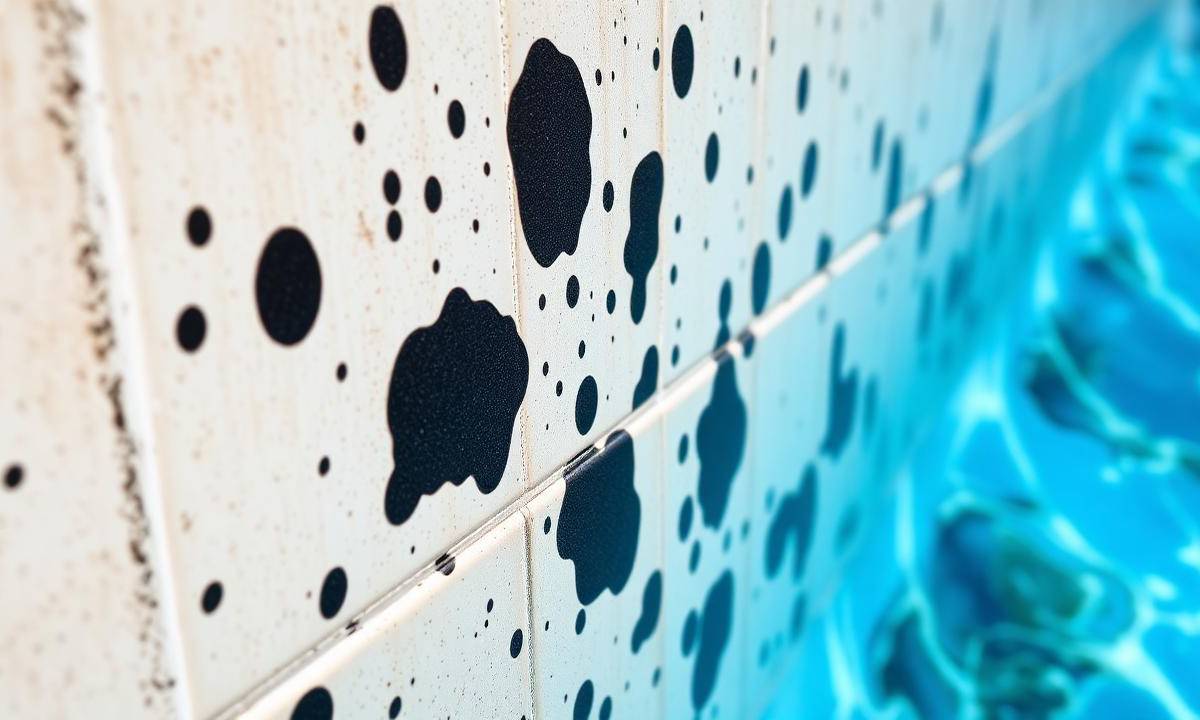
Black algae is the most resilient pool pest. This guide covers how to identify those stubborn black spots, the tools you need for removal, and how to keep it from returning.
Black Algae in Your Pool: Removal and Prevention
Among the various types of algae that can plague a backyard swimming pool, black algae is the most formidable. Unlike its green or mustard-colored counterparts, black algae is technically a cyanobacteria that anchors itself deep inside the pores of pool surfaces. For pool owners and those listing their backyards on marketplace platforms, a black algae infestation is more than an eyesore—it is a structural threat and a hygiene hazard.
Understanding Black Algae
Black algae usually appears as small, dark-green or black spots on the floor or walls of your pool. To the naked eye, these spots can look like simple dirt or metal stains. However, black algae is distinct because of its multi-layered structure.
It develops a hard, waxy outer shell that protects it from standard chlorine levels. Beneath this shell lies a complex root system that digs into plaster, gunite, and concrete finishes. If you only brush the surface, the roots remain, allowing the algae to grow back within days. This resilience is why black algae is often called the "pioneer" organism of pool neglect.
Identifying Black Algae vs. Metal Stains
Before starting an intensive chemical treatment, you must confirm that the black spots are indeed algae. Metal stains (manganese or iron) often look similar but require different treatments.
- The Scratch Test: Use your fingernails or a small flathead screwdriver to scratch the spot. If it feels slippery and a small amount of dark green residue comes off, it is algae.
- The Location: Black algae thrives in areas with poor circulation—corners, steps, and crevices. If the spots are exclusively on the bottom near the main drain, they could be metal stains or organic debris.
Step-by-Step Black Algae Removal
Removing black algae requires a combination of aggressive physical labor and high chemical concentrations. Set aside at least 48 to 72 hours for this process.
1. Clean the Filter
Black algae spores can hide in your filtration system. Backwash your sand or D.E. filter or chemically clean your cartridge filter before starting. If the infestation is severe, consider replacing the filter media entirely after the treatment is complete.
2. Test and Balance the Water
Chemicals work best when the water chemistry is balanced. Before shocking the pool, ensure your levels fall within these ranges:
- pH: 7.4 to 7.6
- Alkalinity: 80 to 120 ppm
- Calcium Hardness: 200 to 400 ppm
3. Brush Aggressively
This is the most critical step. You must break the protective waxy coating. Use a stainless steel wire brush (for plaster or concrete pools). Warning: Do not use a wire brush on vinyl liners or fiberglass; use a stiff nylon brush instead. Scrub every visible spot until the dark color fades.
4. Direct Chlorine Treatment
After brushing, use a chlorine tablet (Trichlor) and rub it directly onto the spots. The localized high concentration of chlorine will penetrate the roots that you exposed through brushing. For floor spots, you can crush a tablet and sprinkle the granules directly onto the affected area.
5. Triple Shock Your Pool
A standard dose of shock won't kill black algae. You need to "triple shock" by adding 3 pounds of calcium hypochlorite (cal-hypo) per 10,000 gallons of water. Always add the shock at night to prevent the sun from dissipating the chlorine before it can work.
6. Run the Pump
Run your pump on high for 24 hours. This ensures the high-dose chlorine circulates and penetrates every crevice. Continue to brush the affected spots at least twice a day during this period.
Long-Term Prevention Strategies
Once you have eradicated the algae, you must change your maintenance habits to ensure it doesn't return.
- Maintain Constant Chlorine Levels: Never let your Free Chlorine (FC) drop below 2.0 ppm. For pools with high CYA (Cyanuric Acid) levels, you may need to maintain a higher baseline.
- Sanitize Pool Toys and Equipment: Black algae is often introduced from the ocean or lakes via swimsuits and toys. Wash all gear in a bleach solution before they enter your pool.
- Improve Circulation: Ensure your return jets are pointed downward and toward the edges of the pool to eliminate dead zones where water stagnates.
- Regular Brushing: Even if the water looks clear, brush the walls once a week to keep the surface pores clean.
Why Cleanliness Matters for Potential Hosts
If you are a member of the Pool Rental Near Me community, keeping your pool free of black algae is vital for your business. Guests expect crystal-clear, hygienic water. A single black spot can lead to a negative review or a refund request. By following a strict maintenance schedule, you protect your investment and ensure your pool remains a top-rated destination for renters.
Frequently Asked Questions
Q: Is black algae dangerous to swim in?
A: While the bacteria themselves aren't usually toxic to skin, black algae can harbor other harmful bacteria like E. coli. Furthermore, the slippery nature of the algae creates a slip-and-fall hazard on steps.
Q: Can I use an automatic pool cleaner to remove black algae?
A: No. Automatic cleaners are not forceful enough to break the waxy coating of black algae. This organism requires manual scrubbing with a wire or stiff nylon brush.
Q: Will an algaecide kill black algae?
A: Standard algaecides are better for prevention than removal. For active black algae, you need a specialized "Black Algaecide" (usually copper-based or silver-based). However, these should only be used as a supplement to high chlorine and brushing.
Q: How long should I wait to swim after treatment?
A: You should wait until the chlorine levels have dropped back down to the 1.0 to 4.0 ppm range and the water is completely clear. This usually takes 24 to 48 hours after a triple shock.
Ready to turn your pristine pool into a local hotspot? List your backyard on Pool Rental Near Me today and start earning while providing a clean, safe oasis for your community.
Frequently asked questions
- What is Pool Rental Near Me?
- Pool Rental Near Me is a peer-to-peer marketplace where homeowners rent out their backyard pools by the hour. Guests get a private pool, hosts earn money, and every booking requires a signed guest waiver. Hosts carry their own insurance.
- How much does a private pool rental cost?
- Most pool rentals range from $40 to $150 per hour depending on the pool, amenities, location, and time of day. You see the full price before you book.
- How much can I earn renting out my pool?
- That depends on your hourly rate, amenities, and how many hours you host — there is no typical figure we can stand behind. Pool Rental Near Me charges 0% host fees, so you keep 100% of your listed price.